![Egg Logo - Coloured Background.png]](https://139813296.hs-sites-eu1.com/hs-fs/hubfs/Egg%20Logo%20-%20Coloured%20Background.png?height=50&name=Egg%20Logo%20-%20Coloured%20Background.png)
How long does the charger installation take?
Most installs can be completed within 4 hours, which is why you may receive either a morning or afternoon timeslot. If we identify your installation as being more complicated, or has additional works that are required from the images you have submitted to us, we may allocae a full day to the installation team.
Please note that these installation times are a guide only and can vary depending on any upgrade works that are required. Dependant on the nature of the upgrade works, you may require a visit from one of our teams ahead of your installation day, to ensure everything is ready to install on the charger installation day.
Our super helpful team will advise you of any delays or additional works that are required once we have checked your pre-install images, how we're going to resolve these issues and potential timescales.
How long does it take from placing an order to installation?
When you place your order, we'll ask you for a few simple images of your property and existing electrical installation. Once we have reviewed your pre-install images, an estimate of 2-3 weeks to install is reasonable. However, if we spot that further work is required this may delay your installation.
We look for two things, the first being an isolator switch; if you don't have one, we can install one free of charge, but this may delay your installation by around 4 weeks, which is still usually much quicker than requesting your electricity supplier install one. Secondly, we look for a looped supply; unfortunately we cannot confirm the length of this delay as this needs to be checked and approved or upgraded by your Distribution Network Operator. We will take care of the application and keep you updated on the process if this is the case.
Can my EV charger be installed on my fence?
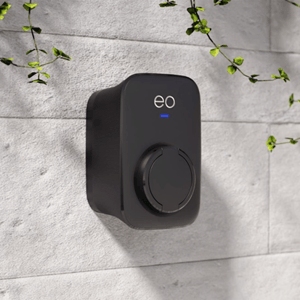
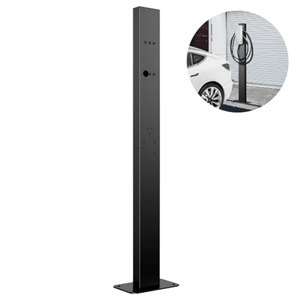
Unfortunately not, the EV charger needs to be installed on a solid masonry wall. Alternatively the charger can be installed on a dedicated EV charging pedestal/mount if you already have one installed, however this is not something that we can supply or install at the same time. Due to the complexities of installing them into solid ground and potential groundworks required, this is something that would need to be completed and in-place before we could install the charger.
What is a looped supply?
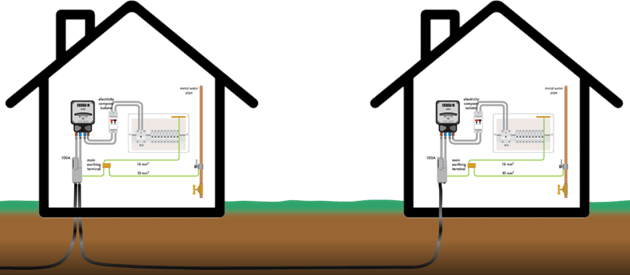
A looped supply is the term used to describe when the electricity supply to your property is looped to a neighbour's property, meaning both properties are fed from one supply, usually coming from the main road. This was satisfactory when installed, however, with ever increasing electricity demands in the home, it may be necessary for your electricity company to carry out upgrade works to ensure that their network can cope with the additional load. This is nothing for you to worry about and although uncommon, getting it sorted shouldn't cost you anything in most cases.
What is trunking?
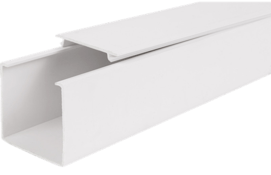
Trunking is used to contain the cable where it is routed through your property and is manufactured from white PVC. The size of the trunking will depend on the route and how many bends are required, for a straight run this will be around 40mm x 25mm, for routes with bends this will be 50mm x 50mm. You can paint the outside of the trunking following installation if you wish.
What is a comms cable?
A comms cable is a data cable such as CAT5 that is routed from the EV charger to the meter position, this is used to monitor the electricity demand of your property. The charger is designed to reduce the charge rate at times when a large amount of electricity is being used in your home, this is to prevent the rating of the electricity company fuse from being overloaded.
We may also install a comms cable to hardwire your charger into your internet router if there is no sufficient mobile data or WIFI connectivity option available.
Can my charger be installed in my garage or a detached building?
In some cases we may be able to install to a building or structure that isn't where the electricity supply enters the property. In most cases however, this wouldn't be possible. Smart chargers monitor the main incoming supply to ensure you get the fastest available charging speeds. The existing cables that have already been installed to power the separate building or structure may not be sufficient to power an EV charger and may not allow us to route any additional comms cables that are needed. In these cases, there may need to be a new cable installed underground or run from the electricity meter to the charger location. This isn't something we would be able to do as part of our installation and enablement works would need to be completed prior to us installing.
If you're unsure and need some guidance, get in touch with our team who will be happy to advise you of your options, before you place an order.
I have an old EV charger that will be removed, can I re-use the cable for the new charger?
This will depend on the type of cable, how it is installed and where it is fed from, this will need to be reviewed by our Qualified Supervisors prior to the installation taking place.
Why do I need a main switch when my solar panels were installed without one?
We cannot comment on how a previous installer may have isolated the supply to allow safe working. If we have asked for a main isolator to be installed, this means that there is no other safe way of isolating the supply to enable us to safely install your EV charger.
How big is the cable that will supply my charger?
The external diameter of the cable is approximately 15mm. Whilst we will try to run the cable externally where possible, depending on the location of equipment within your property, there may need to be internal runs of cabling. The installer will discuss this with you prior to the installation taking place.
What is an RCD / RCBO?
These are safety devices that monitor for any current leakage to earth or over-current and are designed to trip to protect against electric shock or damage to equipment. A home EV charger must have this protection and we will install the correct protective devices as part of the installation.
Why might you need a floorplan of my home?
On your floorplan we ask you to show:
- The position of the meter / cut-out
- Consumer unit
- Preferred EV charger position
- Suggested cable route
This is an invaluable aid to us when assessing your photos to establish suitability for the installation of the charger. The more information we receive at the self-survey stage will help improve your customer experience.
Is there a minimum / maximum height that the charger should be installed at?
The actual socket should be between 0.75M and 1.2M above ground level. If you have specific needs or requirements that fall outside of this, please speak to the installer and we may be able to accommodate this.
I have external wall insulation (EWI) installed can I still have an EV charger installed?
Due to the difficulty in getting satisfactory fixings on external wall insulation we won’t install where this is the case.
Can I have more than one EV charger installed?
Yes, you can. We would need to know how you intend to use your EV chargers and may need to complete a DNO Application to the electricity company for your supply cut-out fuse to be upgraded, please note that this will delay the installation of the chargers.
What is a DNO application?
A DNO application is required where the supply to your property is looped. We may see this with very old electrical installations or if we identify a potentially dangerous installation. While these are rare, the photos you submit to us will ensure we can identify this before we arrive to install your charger.
Don’t worry, we complete the application on your behalf. The DNO are the Distribution Network Operators (electricity company) that are responsible for the electricity network. They review all applications and may contact you to arrange site visits to assess for any further works that may be required, any upgrading works are usually free of charge. The demand on DNO’s is very high and as such any application can delay the installation of your charger.
What is an EIC / EICR?
- EIC – Electrical installation Certificate – used to provide test results for a new circuit and includes supply characteristics such as bonding details.
- Electrical Installation Condition Report – used to report on the condition of an electrical installation and includes supply characteristic such as bonding.
You will also be issued an EIC for the works carried out to install your EV Charger. There is nothing that you need to do with this and is for your records. This may be needed for any further EICs you have on your property, or if you come to sell your property.
What is an Earth Rod?
Usually the electricity companies provide an earth, however there are instances where they cannot guarantee a satisfactory earth connection, where this is the case, it is the homeowners responsibility to provide a private earth connection. An earth rod is a 1.2M copper plated rod that is driven in to the ground just leaving the top section exposed often on the outside of the property near where the electricity meter is, this should have a green & yellow cable attached to it by a clamp, the cable will go to your consumer unit or main earthing terminal MET.
The requirement to have an earth rod installed is very rare and not something that’s normally done as part of an EV charger installation. All our chargers contain sufficient protective devices that mean an earth rod is not required.
What is Maximum Demand (MD)?
When we carry out a DNO application on your behalf we need to provide the maximum demand; this is the calculated maximum current demand which we may collate by asking you a few simple questions such as: do you have an electric cooker, electric shower, etc. If the demand is high, we would also ask the electricity company for a supply fuse upgrade to ensure that the installation of the EV charger will not take the total demand above the rating of the supply fuse.